 BantuHealth
The nurse's language assistant
A nurse types or says an instruction. The assistant suggests how to say it in the patient's language and shows what it understood. The nurse always decides what is sent. It never diagnoses or prescribes.
Try the demo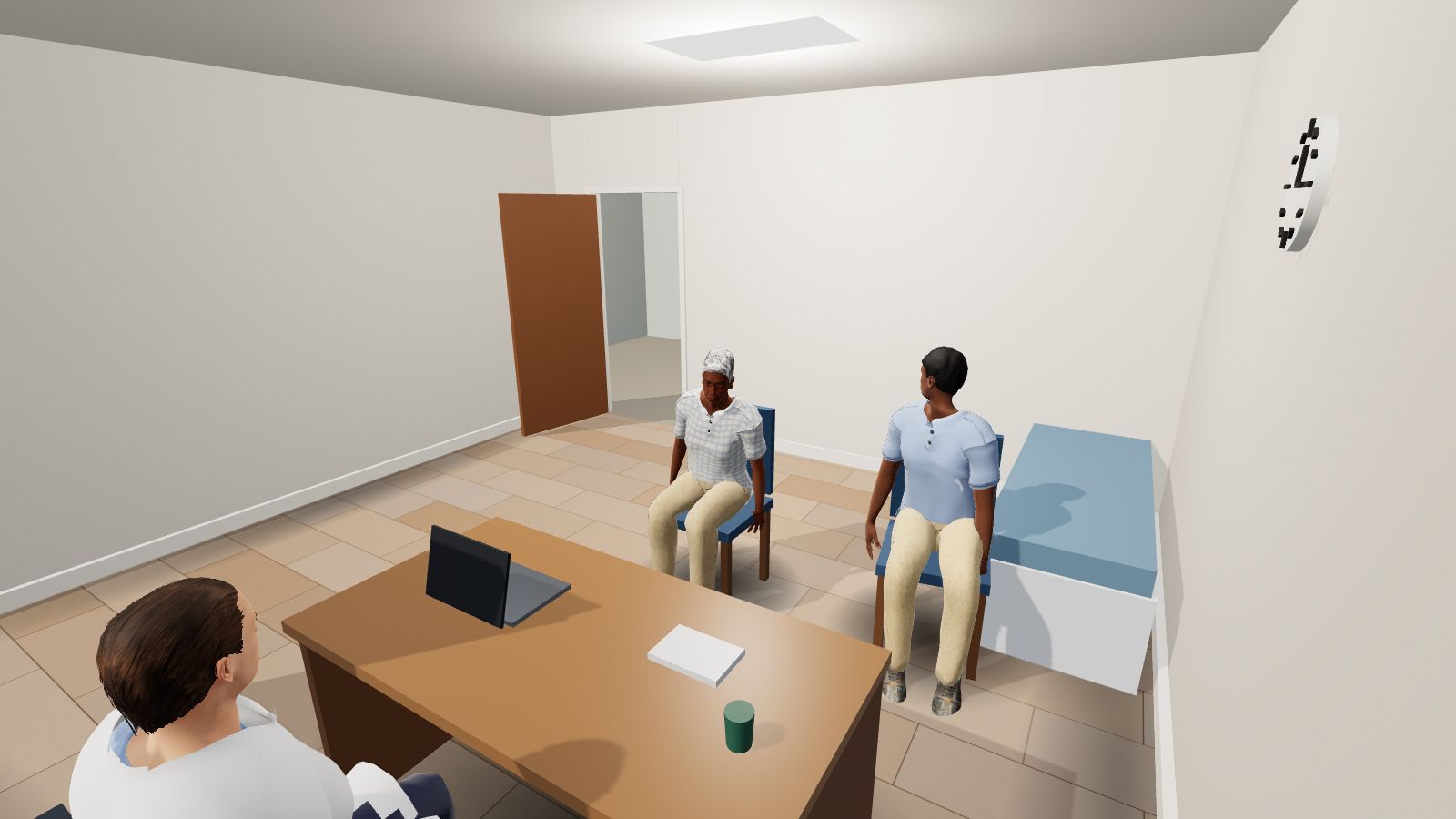
Health · Language · Africa
BantuHealth is building AI that nurses and patients can trust in Bantu languages: a language assistant for nurses, a text-message version for any phone, and a safety test every language must pass before it is switched on.
The whole visit, from the knock to the see-off
A simulated clinic visit, start to finish: an older man with a painful knee arrives with his son, an AI plays the doctor, and the visit ends with a nurse and a goodbye. We record what the doctor was told, what it said and what it did, and check it against what really happened. This version is in English; the Bantu-language versions are the goal.
A second test: the doctor names the parts of a 3D body, one by one, in the singular and then the plural. Native speakers supply the words for every language. Here is the English version and the breadth of the data: 24 languages, 30 body parts, singular and plural. We pilot with the first select languages and scale to the rest with the same method. (The words themselves are kept out of this page on purpose: they are the answer keys of our test.)
The problem, in one clinic visit
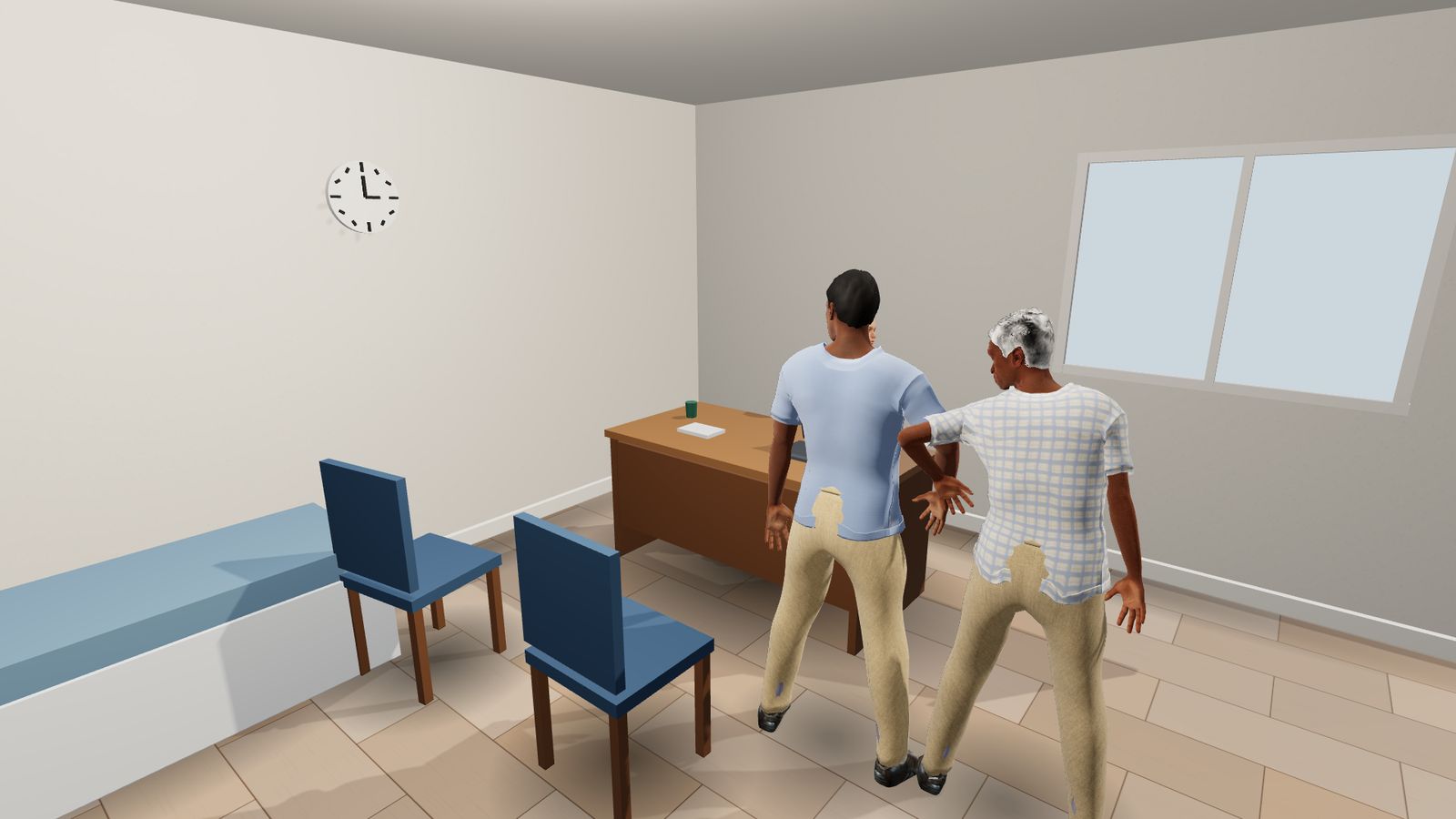
An older man with a painful knee, in a clinic that serves many languages.
The words are close, but not the same. Right or left? Once a day or twice? This week or next?
Translation tools are arriving. Nobody has checked how they behave in Bemba, Chewa or Tonga. In health care, a wrong word costs more than no word.
Before an AI helps in a clinic, someone has to prove it understands the language.
What we are building
Each one is small enough to test properly, and useful on its own.
A nurse types or says an instruction. The assistant suggests how to say it in the patient's language and shows what it understood. The nurse always decides what is sent. It never diagnoses or prescribes.
Try the demoMany patients have a basic phone and no data. The same help, by SMS: appointment reminders, clinic hours, and a plain-language reminder of what the nurse said, in the patient's own language.
See the text-message versionWe test AI in a simulated clinic visit (an AI plays the doctor) with native-speaker review. A language is switched on only when it passes. If it doesn't pass yet, it stays off.
See how we testTry the nurse's assistant
Pick something a nurse might need to say. Then pick a language.
1. What does the nurse need to say?Scripted demonstration in English. The Bantu-language versions are the goal and appear here only after native-speaker review. Illustration only; not medical advice.
How we test
This is a real simulation we built: an elderly man, his adult son and a doctor. It is the same visit every time, so different AI systems and different languages can be compared fairly.
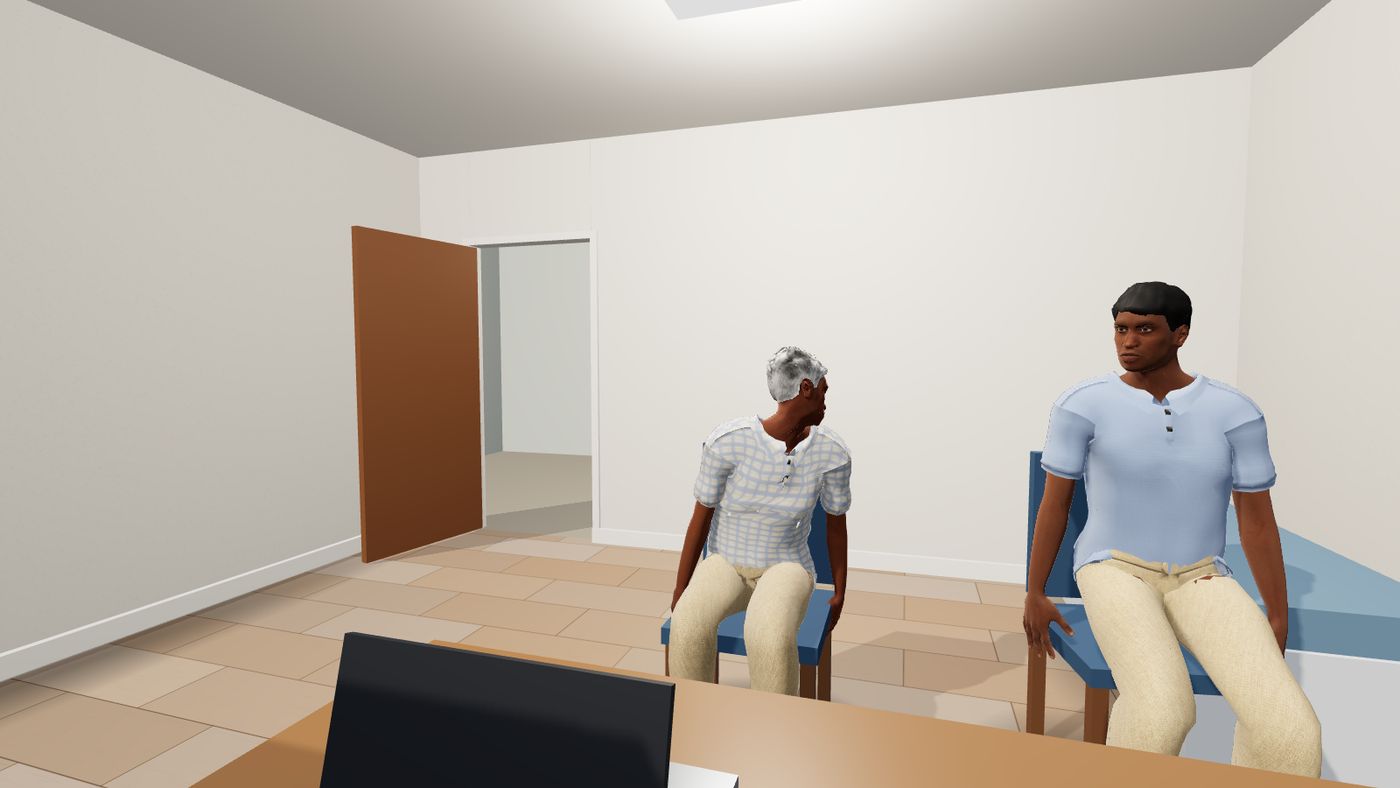 Who is the patient?
Who is the son?
Languages
This site and the demo are in English for now, so that anyone can see how the idea works. The goal is every one of these in the patient's own language, built with native speakers.
Native speakers give us the words for the body and for health, with consent.
A second speaker and a clinician check them. We show what is still unreviewed.
We run the AI through the simulated clinic visit in that language.
Only what passes is enabled, for nurses first. The rest stays off.
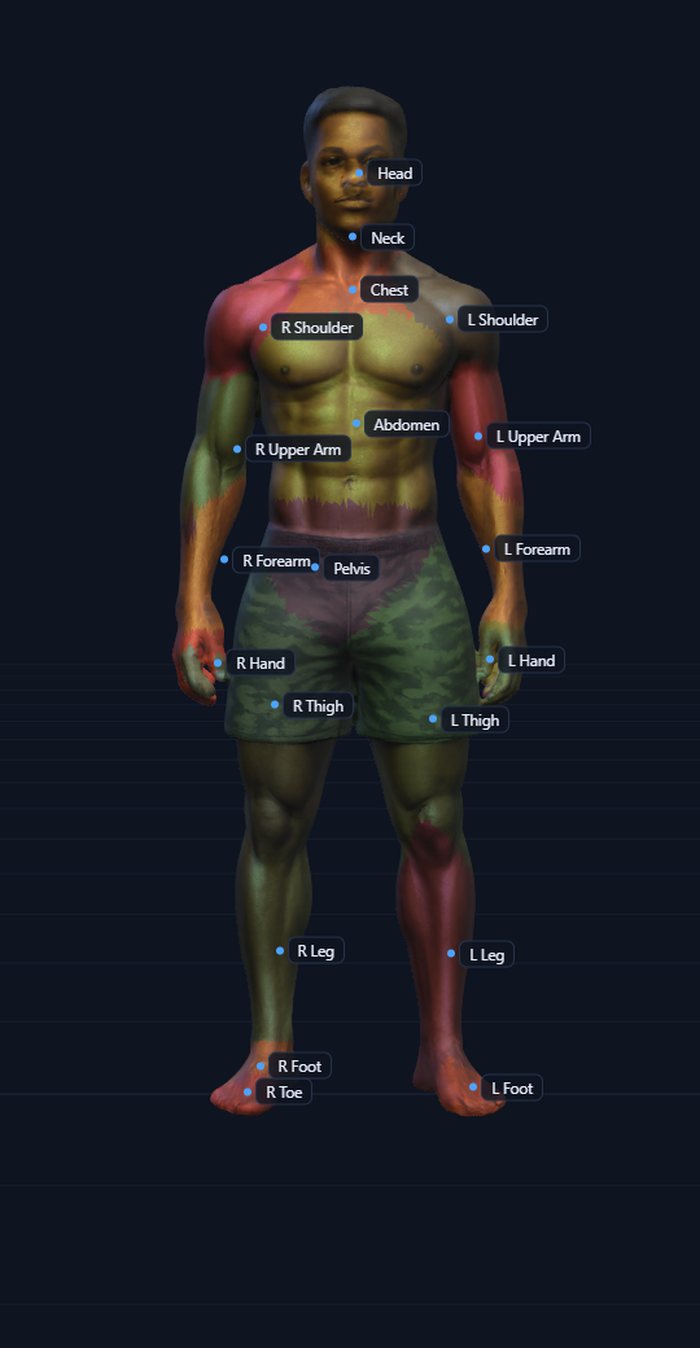
In our 3D body every part has its own identity, such as the hand, the knee or the forearm. The same body and the same questions are used in every language, so results can be compared fairly.
Our vocabulary of the body and health already covers 24 Bantu languages, entered by native speakers. Second-speaker review is under way. We do not publish the words here until they have been reviewed.
Safe by design
Health is not the place to move fast and fix later. These are the rules we build by.
Every message is approved by a person. The assistant helps; it does not decide.
It explains and translates what a nurse has already decided. Nothing more.
A language and a function are enabled one at a time, only after they pass.
Words are collected and reviewed by speakers of the language, not guessed by a machine.
Testing uses actors and scripts, never patient records or recordings of real consultations.
What we build for a city's clinics is meant to be published openly so others can check it and reuse it.
For city leaders
A first pilot is small, careful and led with your health team. This is what two years can look like.
Agreement with the council, approvals, a local coordinator.
Which languages do patients use? Where does language cause problems?
A prototype with nurses. Native-speaker review. Safety tests per language.
In a few clinics, with a nurse in charge, a log of every problem and a stop rule.
A plain-language report, a checklist for the council, staff training.
Questions a mayor will ask
The city is asked for its time and access to a few clinics, not for its budget. We are seeking outside funding for the pilot itself. The first step is a short, non-binding letter of intent that commits the city to nothing.
No, and we want to be clear about that. The clinic simulation and the safety tests are built and working. The nurse's assistant and the text-message service shown here are demonstrations of what a pilot would build, with your health team, and test carefully.
A nurse approves every message before it is sent. The assistant never diagnoses or prescribes. A language is enabled only after it passes our tests, and the pilot keeps a log of every problem and has a stop rule agreed with the council.
Testing uses actors and scripts, never patient records or recordings of real consultations. Any later use of real data would need consent, ethics approval and the council's agreement first.
Because that is where the patients are, and where AI is least tested. The site is in English so anyone can see how the idea works. The Bantu-language versions are the goal and appear only after native speakers have reviewed them.
One contact person at the council, and a short letter of intent. After that: a conversation with your health officers about which languages your patients use and where language causes problems.
Get in touch
Tell us a little and we will reply with a short summary and a walkthrough of the simulation.